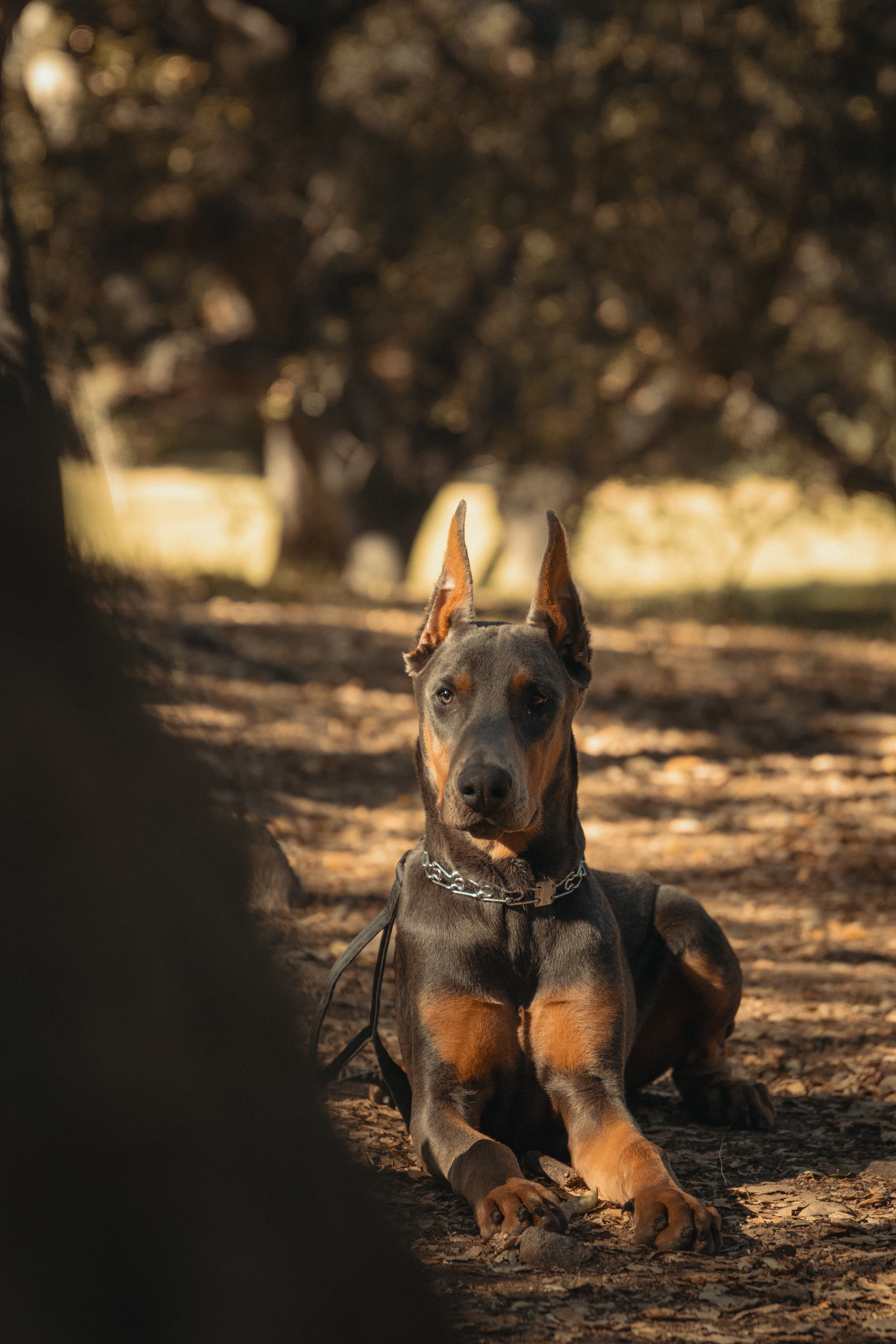
Aggression is Usually Fear: Deconstructing the Reactive Shepherd
A German Shepherd lunging fiercely at a stranger rarely wants to fight. They are usually terrified. Why spatial boundaries are the key to curing reactivity.
There is nothing more stressful than walking an eighty-pound German Shepherd that completely loses its mind the second it sees another person. The dog heavily lunges, barking aggressively with the hackles raised completely along their back. To the untrained eye—and to the terrified neighbor—the dog looks like a vicious killer.
As a behavioral specialist, when Eduardo Beltran sees this, he rarely sees a truly aggressive "man-stopper." He sees an incredibly insecure, anxious animal that has heavily assumed a massive leadership role they do not mentally possess the capability to handle.
Offense as the Only Defense
When a dog lacks a strong, confident handler, they naturally believe they are in charge of enforcing the safety of the perimeter. When a stranger approaches in a public space, the insecure dog fiercely panics. Because they do not trust you to handle the situation, they execute the only effective maneuver they know: preemptive aggression. If they bark loud enough and lunge hard enough, the scary "threat" (the innocent neighbor) will defensively back away. The dog learns exactly that aggressive displays successfully keep them safe.
Changing the Job Description
You absolutely cannot fix this issue by simply throwing hotdogs at the dog while they bark. You must definitively strip the dog of their perceived leadership role entirely.
This requires massive, strict obedience. By heavily utilizing the heel command, we dictate precisely where the dog's head goes. If the dog is commanded to hold a strict heel position behind the handler's leg, they physically cannot step forward to aggressively challenge the environment. If they attempt to break the heel to bark, they receive a fair, extremely firm physical correction indicating that the action is completely forbidden.
Relief Through Structure
Once the dog understands that you—the handler—will violently manage the environment and correct them if they intervene, the magic happens. The dog heavily sighs. The tension leaves the leash. They completely realize, "I don't have to protect this person anymore. They are in charge." The fearful aggression entirely vanishes because the profound burden of leadership has been completely lifted off the dog's shoulders.
If your working breed is aggressively dictating who is allowed to walk past your house, you need an intervention. We specialize in exactly this behavioral shift at Shepards K9.
Why aggression is usually fear deconstructing the reactive shepherd keeps showing up in normal life
A German Shepherd lunging fiercely at a stranger rarely wants to fight. They are usually terrified. Why spatial boundaries are the key to curing reactivity. This issue usually follows owners into the walk, the front door, the crate, the car, or the quiet parts of the house where the dog has too much room to keep repeating the same pattern. The problem is rarely random. It usually grows because owners stay too close to triggers and keep rehearsing the blow-up. When I look at a case like this, I am not only looking at the loud moment. I am looking at what the dog practiced the hour before it, the day before it, and the month before it.
What I tighten up first when I see reactivity and public control
The first job is to remove the loopholes. That means tightening up distance management, leash handling, place work, neutrality reps, and better exits. Owners usually want the dramatic fix first, but real progress starts when the dog understands the new picture in the boring parts of the day. If the dog can break the rules at the threshold, drag on the first ten minutes of the walk, or ignore a simple boundary in the house, they will carry that same attitude into the bigger problem too.
How I would handle this with a Shepards K9 client
I do not try to talk a dog out of behavior like this. I show the dog what changes, then I repeat it until the new response is clearer than the old one. That is where programs like Board & Train, Dog Training, Obedience Training matter. Some owners need direct coaching and homework. Some need Eduardo doing the heavy lifting first and then handing the work back over. The right service depends on how rehearsed the issue is, how much control the owner has today, and how quickly the dog spirals once pressure shows up.
The mistake owners keep making with aggression is usually fear deconstructing the reactive shepherd
Most owners are not failing because they do not care. They are failing because they keep changing the rules or they wait until the dog is already fully committed to the bad decision. Once the dog is exploding, chasing, barking, guarding, or ignoring the handler completely, the teaching window has mostly closed. Good handling starts earlier. It starts with body language, threshold control, leash mechanics, and not giving the dog permission to drift into the same problem picture again.
What I want you to do next if this sounds like your dog
If this article describes your dog closely, stop collecting more bad reps. Write down where the issue shows up, what the dog does right before it, and whether you can interrupt it cleanly today. That will tell us whether this is best solved through Board & Train, Dog Training, Obedience Training or whether the dog needs a more intensive reset. Either way, the answer is not more guessing. It is better structure, better timing, and a program that matches the dog in front of you.
Why owners get stuck on Aggression is Usually Fear Deconstructing the Reactive Shepherd
Owners usually do not stay stuck because they are lazy. They stay stuck because the routine feels normal, the dog gets a few wins every day, and nobody has changed the structure enough to force a new answer. Eduardo looks for the point where the old pattern is still getting paid. That is where the real fix starts.
What better follow-through looks like here
The owner does not need to become a robot. The owner does need to stop changing the standard every other day. If the dog is held accountable when it matters, the picture gets cleaner fast. If the owner gets soft the second the dog protests, the same behavior comes right back.
How this connects to the right training program
Not every case needs the same level of structure. Some dogs need direct owner coaching and repetition at home. Some need a stronger reset before the owner can maintain anything. That is why Eduardo points owners toward the service that actually matches the problem instead of forcing every dog into the same plan.
What I would want to know before giving you a recommendation
I would want to know where the dog fails, how intense the behavior is, whether there is bite risk, how much control you have today, and whether the dog can still think once pressure shows up. Those details matter more than the label on the problem. They tell me how much structure the case actually needs.