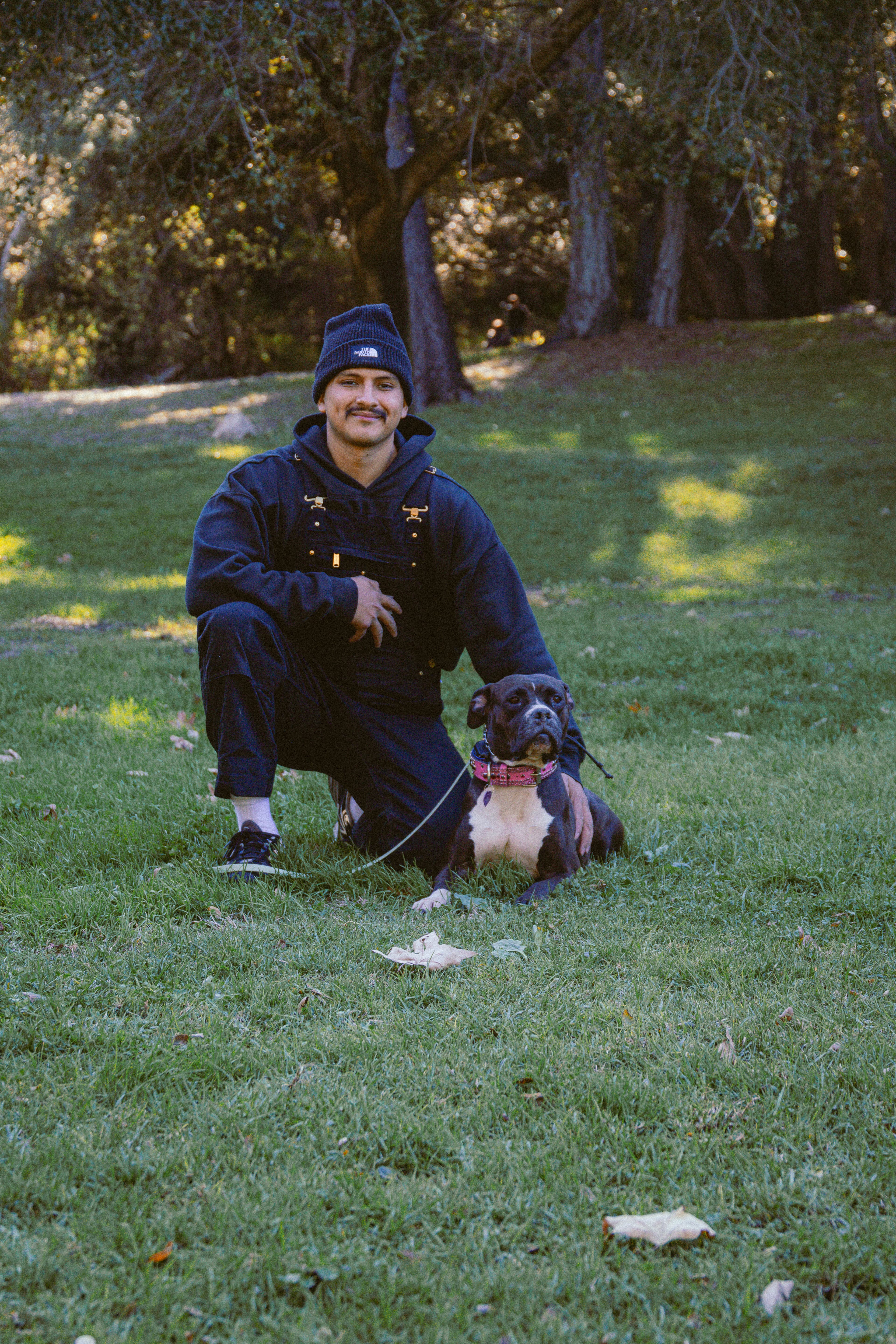
Board & Train vs Private Lessons: Which is Right for You?
Choosing how to train your dog dictates the timeline of your success. Eduardo breaks down the reality of our intensive Board & Train versus weekly private sessions.
When severe behavioral issues hit a breaking point in the household, owners frequently face a major decision: do they send the dog away for an intensive Board & Train, or do they attempt to fix the problem themselves heavily through weekly private lessons? Both methods definitively work, but the timeline, required workload, and final results vary entirely based on the owner's commitment.
The Private Lesson Reality
Private lessons put the heavy lifting completely upon your shoulders. Eduardo will meet with you, meticulously break down the mechanics of the leash, teach you exactly how to apply pressure, and show you the blueprint to fix the dog's state of mind.
However, when the one-hour session ends, Eduardo drives away. You are now solely responsible for enforcing hundreds of daily repetitions. If your dog has severe leash reactivity, you must be the one physically managing the outbursts every single morning until the dog learns the new boundary. If you work a fifty-hour week, have three kids in sports, and skip the homework entirely for three days, the dog absolutely will not progress. Private lessons demand massive owner accountability.
The Power of Immersion (Board & Train)
A Board & Train completely removes the environmental friction. Your dog leaves the chaotic environment where they have successfully practiced bad habits for years and enters a highly structured, heavily controlled home environment with an elite professional trainer.
Eduardo performs the thousands of repetitions required to literally rewrite the dog’s behavioral pathways. We fight the hard battles. We install the absolute understanding of the e-collar, we proof the dog against massive local distractions, and we ensure the dog defaults entirely to calmness. You simply receive an obedient, respectful, physically exhausted dog at the end of the program.
The Transfer
The single reason some Board & Trains fail is heavily due to the handler return. A dog is incredibly context-specific. If we return a perfectly trained dog to you, but you immediately let them drag you through the front door and jump on the couch, the dog instantly realizes the old rules still apply to you.
We mitigate this by demanding a massive transfer session. Eduardo spends hours handing the leash back to you, forcing you to mechanically hold the exact same boundaries he set. If you enforce the standard we hand over, your life with the dog will be permanently peaceful.
Why board & train vs private lessons which is right for you keeps showing up in normal life
Choosing how to train your dog dictates the timeline of your success. Eduardo breaks down the reality of our intensive Board & Train versus weekly private sessions. This issue usually follows owners into the walk, the front door, the crate, the car, or the quiet parts of the house where the dog has too much room to keep repeating the same pattern. The problem is rarely random. It usually grows because owners negotiate with behavior they already know is becoming a problem. When I look at a case like this, I am not only looking at the loud moment. I am looking at what the dog practiced the hour before it, the day before it, and the month before it.
What I tighten up first when I see obedience and real-world follow-through
The first job is to remove the loopholes. That means tightening up thresholds, leash mechanics, place command work, and consistent daily follow-through. Owners usually want the dramatic fix first, but real progress starts when the dog understands the new picture in the boring parts of the day. If the dog can break the rules at the threshold, drag on the first ten minutes of the walk, or ignore a simple boundary in the house, they will carry that same attitude into the bigger problem too.
How I would handle this with a Shepards K9 client
I do not try to talk a dog out of behavior like this. I show the dog what changes, then I repeat it until the new response is clearer than the old one. That is where programs like Dog Training, Board & Train, Obedience Training matter. Some owners need direct coaching and homework. Some need Eduardo doing the heavy lifting first and then handing the work back over. The right service depends on how rehearsed the issue is, how much control the owner has today, and how quickly the dog spirals once pressure shows up.
The mistake owners keep making with board & train vs private lessons which is right for you
Most owners are not failing because they do not care. They are failing because they keep changing the rules or they wait until the dog is already fully committed to the bad decision. Once the dog is exploding, chasing, barking, guarding, or ignoring the handler completely, the teaching window has mostly closed. Good handling starts earlier. It starts with body language, threshold control, leash mechanics, and not giving the dog permission to drift into the same problem picture again.
What I want you to do next if this sounds like your dog
If this article describes your dog closely, stop collecting more bad reps. Write down where the issue shows up, what the dog does right before it, and whether you can interrupt it cleanly today. That will tell us whether this is best solved through Dog Training, Board & Train, Obedience Training or whether the dog needs a more intensive reset. Either way, the answer is not more guessing. It is better structure, better timing, and a program that matches the dog in front of you.
Why owners get stuck on Board & Train vs Private Lessons Which is Right for You
Owners usually do not stay stuck because they are lazy. They stay stuck because the routine feels normal, the dog gets a few wins every day, and nobody has changed the structure enough to force a new answer. Eduardo looks for the point where the old pattern is still getting paid. That is where the real fix starts.
What better follow-through looks like here
The owner does not need to become a robot. The owner does need to stop changing the standard every other day. If the dog is held accountable when it matters, the picture gets cleaner fast. If the owner gets soft the second the dog protests, the same behavior comes right back.
How this connects to the right training program
Not every case needs the same level of structure. Some dogs need direct owner coaching and repetition at home. Some need a stronger reset before the owner can maintain anything. That is why Eduardo points owners toward the service that actually matches the problem instead of forcing every dog into the same plan.
What I would want to know before giving you a recommendation
I would want to know where the dog fails, how intense the behavior is, whether there is bite risk, how much control you have today, and whether the dog can still think once pressure shows up. Those details matter more than the label on the problem. They tell me how much structure the case actually needs.