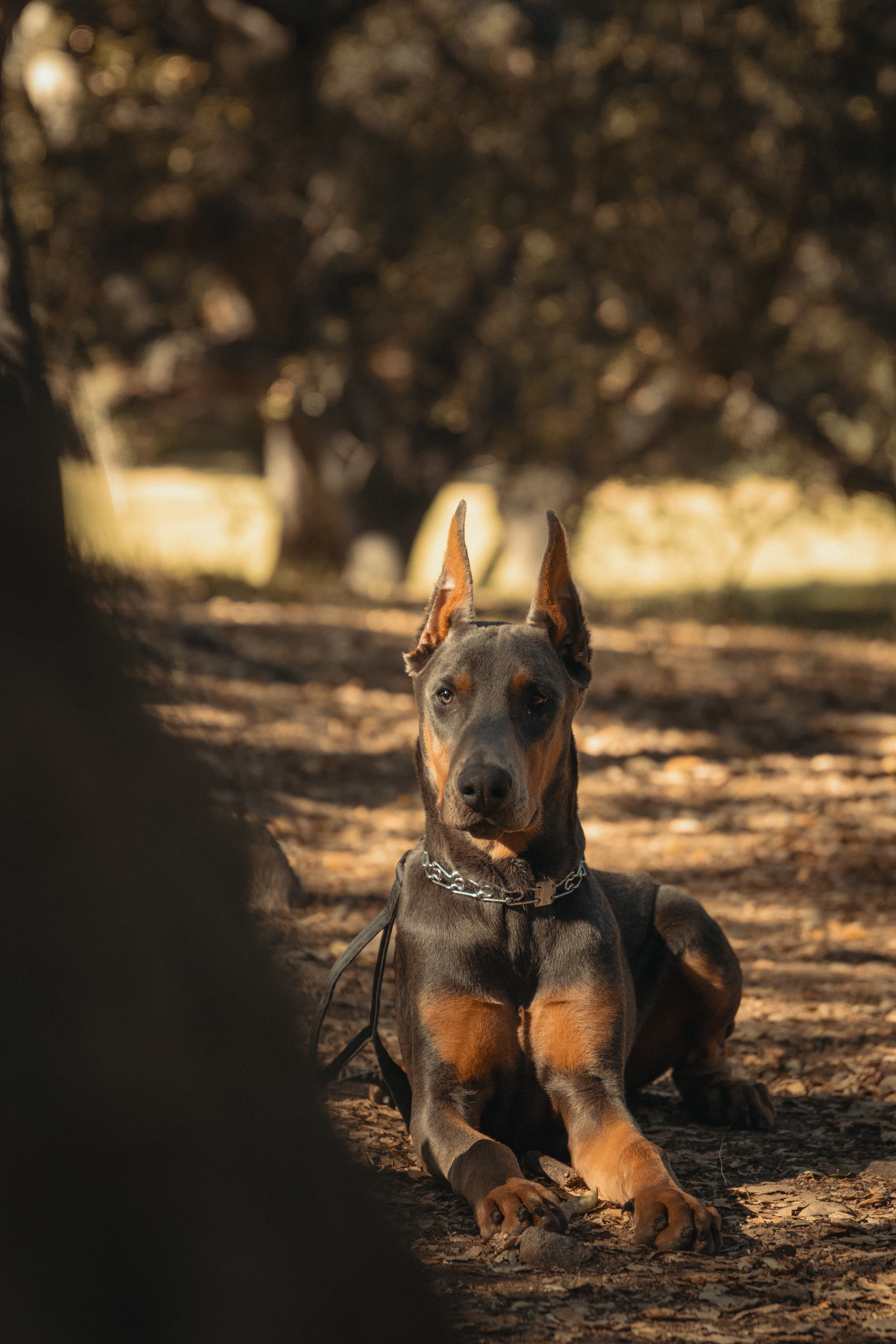
Why Bribery Fails: The Difference Between Dog Training and Negotiating
If your dog only sits when you hold a treat in your hand, you haven't trained them. You are simply negotiating. Eduardo explains why balanced consequences are required.
The pet industry massively pushes the narrative of "Positive-Only" or "Force-Free" training. The idea sounds incredible on paper—simply ignore the bad behaviors and shower the dog with high-value treats every single time they do something right. For a four-month-old golden retriever puppy in a sterile living room, this works perfectly.
But when you own a ninety-pound German Shepherd showing severe reactivity toward other dogs at a Lake Elsinore park, throwing a hotdog at their face while they try to attack another animal completely fails.
Bribery vs. Obedience
When you rely strictly on food to get a dog to comply, you establish a system of bribery. The dog quickly calculates an equation: "Is the treat in your hand currently more valuable than my desire to chase that squirrel?" If the environment is highly distracting, the squirrel always wins. If your dog only holds a down-stay when they see a food pouch strapped to your hip, they did not learn the command; they learned a transaction.
The Need for Fair Consequences
A mother dog does not bribe her puppies to stop biting her—she physically corrects the behavior using a sharp, clear boundary. Nature operates heavily on consequences. If a dog touches a cactus, it hurts, and they immediately understand never to do it again.
A balanced trainer replicates this completely natural communication. We use food and high physical praise to clearly build behaviors (like teaching the heel position or the meaning of 'place'). But when the dog definitively knows the command and consciously chooses to ignore it because they want to chase a child on a scooter, we use fair, strict physical pressure—often via a remote e-collar or prong—to sharply correct the defiance.
Certainty Creates Calmness
Dogs suffer massively from anxiety when they do not understand the rules. If you only provide rewards, you are giving the dog half the equation. Setting a hard boundary relieves the dog of the burden of constantly making decisions. When a dog realizes "I *must* hold this place command because I will be corrected if I break it," the internal negotiation stops entirely. They relax, they look to the handler, and they exist peacefully.
Training a dog means ensuring the command holds up regardless of whether your pockets are empty. If you are exhausted from constantly negotiating with your animal, contact Shepards K9. We teach accountability.
Why why bribery fails the difference between dog training and negotiating keeps showing up in normal life
If your dog only sits when you hold a treat in your hand, you haven't trained them. You are simply negotiating. Eduardo explains why balanced consequences are required. This issue usually follows owners into the walk, the front door, the crate, the car, or the quiet parts of the house where the dog has too much room to keep repeating the same pattern. The problem is rarely random. It usually grows because owners negotiate with behavior they already know is becoming a problem. When I look at a case like this, I am not only looking at the loud moment. I am looking at what the dog practiced the hour before it, the day before it, and the month before it.
What I tighten up first when I see obedience and real-world follow-through
The first job is to remove the loopholes. That means tightening up thresholds, leash mechanics, place command work, and consistent daily follow-through. Owners usually want the dramatic fix first, but real progress starts when the dog understands the new picture in the boring parts of the day. If the dog can break the rules at the threshold, drag on the first ten minutes of the walk, or ignore a simple boundary in the house, they will carry that same attitude into the bigger problem too.
How I would handle this with a Shepards K9 client
I do not try to talk a dog out of behavior like this. I show the dog what changes, then I repeat it until the new response is clearer than the old one. That is where programs like Dog Training, Obedience Training, Board & Train matter. Some owners need direct coaching and homework. Some need Eduardo doing the heavy lifting first and then handing the work back over. The right service depends on how rehearsed the issue is, how much control the owner has today, and how quickly the dog spirals once pressure shows up.
The mistake owners keep making with why bribery fails the difference between dog training and negotiating
Most owners are not failing because they do not care. They are failing because they keep changing the rules or they wait until the dog is already fully committed to the bad decision. Once the dog is exploding, chasing, barking, guarding, or ignoring the handler completely, the teaching window has mostly closed. Good handling starts earlier. It starts with body language, threshold control, leash mechanics, and not giving the dog permission to drift into the same problem picture again.
What I want you to do next if this sounds like your dog
If this article describes your dog closely, stop collecting more bad reps. Write down where the issue shows up, what the dog does right before it, and whether you can interrupt it cleanly today. That will tell us whether this is best solved through Dog Training, Obedience Training, Board & Train or whether the dog needs a more intensive reset. Either way, the answer is not more guessing. It is better structure, better timing, and a program that matches the dog in front of you.
Why owners get stuck on Why Bribery Fails The Difference Between Dog Training and Negotiating
Owners usually do not stay stuck because they are lazy. They stay stuck because the routine feels normal, the dog gets a few wins every day, and nobody has changed the structure enough to force a new answer. Eduardo looks for the point where the old pattern is still getting paid. That is where the real fix starts.
What better follow-through looks like here
The owner does not need to become a robot. The owner does need to stop changing the standard every other day. If the dog is held accountable when it matters, the picture gets cleaner fast. If the owner gets soft the second the dog protests, the same behavior comes right back.
How this connects to the right training program
Not every case needs the same level of structure. Some dogs need direct owner coaching and repetition at home. Some need a stronger reset before the owner can maintain anything. That is why Eduardo points owners toward the service that actually matches the problem instead of forcing every dog into the same plan.
What I would want to know before giving you a recommendation
I would want to know where the dog fails, how intense the behavior is, whether there is bite risk, how much control you have today, and whether the dog can still think once pressure shows up. Those details matter more than the label on the problem. They tell me how much structure the case actually needs.